
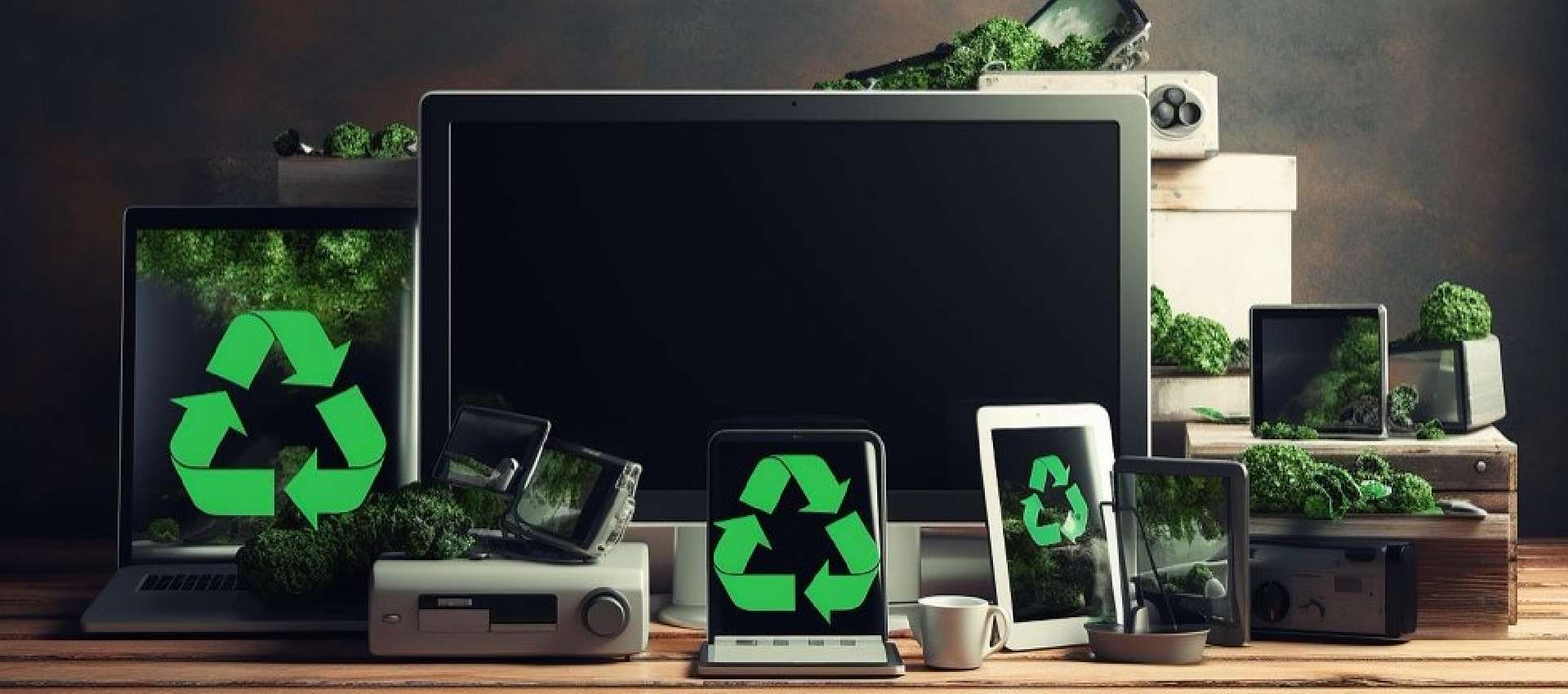
We’ve all been there. A garage full of old appliances, a shed cluttered with rusty metal, or a basement holding onto outdated electronics. It’s easy to see this pile as mere junk, destined for the landfill. But what if we told you that your “trash” is a valuable resource, and there’s a whole industry dedicated to giving it a new life?
Enter the unsung heroes of the circular economy: Scrap Buyers.
This blog post will dive into the world of scrap buyers, explaining what they do, why they are essential, and how you can work with them to declutter your space, earn some cash, and help the planet.
What Exactly is a Scrap Buyer?
A scrap buyer, also known as a scrap metal dealer or scrap yard, is a business that purchases discarded materials for the sole purpose of recycling them. They act as a crucial middleman between individuals/industries with waste and the mills and foundries that need raw materials.
They don’t just buy old cars and soda cans. A professional scrap buyer will deal in a wide range of materials, including:
- Ferrous Metals: Iron and steel (e.g., car parts, appliances, structural steel).
- Non-Ferrous Metals: These are often more valuable and include:
- Copper: From wiring, pipes, and electronics.
- Aluminum: From soda cans, window frames, and car parts.
- Brass: From fixtures, keys, and plumbing parts.
- Stainless Steel: Used in appliances, sinks, and industrial equipment.
- Electronics (E-Waste): Old computers, TVs, printers, and smartphones.
- Cardboard and Paper: From shipping boxes to office paper.
- Plastics: Certain types of plastics are highly recyclable.
Why Are Scrap Buyers So Important?
Their role is far more critical than just paying for your old radiator. They are a cornerstone of a sustainable future.
1. Environmental Guardians:
- Conserving Natural Resources: Recycling one ton of steel conserves 2,500 pounds of iron ore, 1,400 pounds of coal, and 120 pounds of limestone. Scrap buyers make this possible by supplying the recycling stream.
- Reducing Landfill Waste: By diverting tons of metal, plastic, and electronics from landfills, they help reduce soil and water pollution.
- Saving Energy: Manufacturing products from recycled materials consumes significantly less energy. For example, recycling aluminum uses 95% less energy than producing it from raw materials.
2. Economic Engines:
- Creating a Circular Economy: They transform waste into a commodity, creating a sustainable loop of production, use, and reuse.
- Job Creation: The scrap industry employs millions of people worldwide in roles like collection, sorting, processing, and transportation.
- Supporting Manufacturing: By providing a cheaper, recycled raw material, they lower production costs for industries, which can lead to more affordable goods.
3. A Source of Extra Income for You:
For homeowners, contractors, and businesses, scrap is an asset. Instead of paying for junk removal, you can get paid for it. Cleaning out the garage or a construction site can suddenly become a profitable venture.
How to Work with a Scrap Buyer: A Quick Guide
Ready to turn your scrap into cash? Here’s how to have a smooth and profitable experience.
1. Sort and Separate Your Materials:
This is the most important step. Scrap buyers pay based on the type and purity of the material. A pile of mixed metals will be paid at the lowest rate. Separate your copper from your aluminum, your steel from your brass. Clean, sorted materials are always worth more.
2. Know Your Metals:
Learn to identify the basics. A magnet is your best friend:
- If it sticks: It’s a ferrous metal (iron/steel), which is less valuable.
- If it doesn’t stick: It’s a non-ferrous metal (copper, aluminum, brass), which is more valuable.
3. Call Around for Prices:
Scrap prices rarely remain static. They respond to a complex mix of global demand, manufacturing activity, commodity trading trends, and supply chain fluctuations. While securing a competitive rate is important, selecting a trustworthy recycling partner often delivers greater long-term value. Reputable buyers offer transparent pricing, responsible recycling practices, and regulatory compliance. For businesses seeking dependable recycling solutions, exploring IT Scrap Buyers in UAE can help identify certified service providers equipped to handle electronic waste, surplus IT assets, and industrial scrap materials across multiple locations.
4. Choose a Reputable Dealer:
Look for a scrap buyer with:
- Good online reviews and a solid reputation.
- Transparent pricing and fair business practices.
- Proper licensing and certifications, especially for handling e-waste.
5. Be Prepared:
Bring a valid government-issued ID. Due to theft prevention laws, many scrap yards are required to record seller information for certain materials, especially non-ferrous metals.
Conclusion
The next time you look at a pile of “junk,” see it through a new lens. It’s not just clutter; it’s potential. Scrap buyers are the vital link that transforms our waste into the building blocks of tomorrow’s products. By choosing to sell your scrap, you’re not just earning a few extra dollars, you’re actively participating in a greener, more efficient, and sustainable economy. It’s a true win-win-win for your wallet, your community, and the planet.